Northeast Gladiator Pro: India's Cultural Action-Fighting Phenomenon
In the ever-expanding universe of Indian mobile gaming, where global titles often overshadow local creations, Northeast Gladiator Pro has emerged as a true desi gem—seamlessly blending heart-stopping combat mechanics with the rich, vibrant cultural heritage of Northeast India. Developed by Guwahati-based Indigo Pixels Studios and published by Daman Games, this title isn’t just another addition to the fighting game genre; it’s a heartfelt tribute to the traditions, landscapes, and indomitable spirit of the Seven Sisters and Sikkim. Launched on 18 June 2024, coinciding with World Indigenous Peoples Day, it has taken the Indian gaming community by storm, crossing 75 million downloads within six months and proving that authentic regional content can hold its own against international heavyweights.
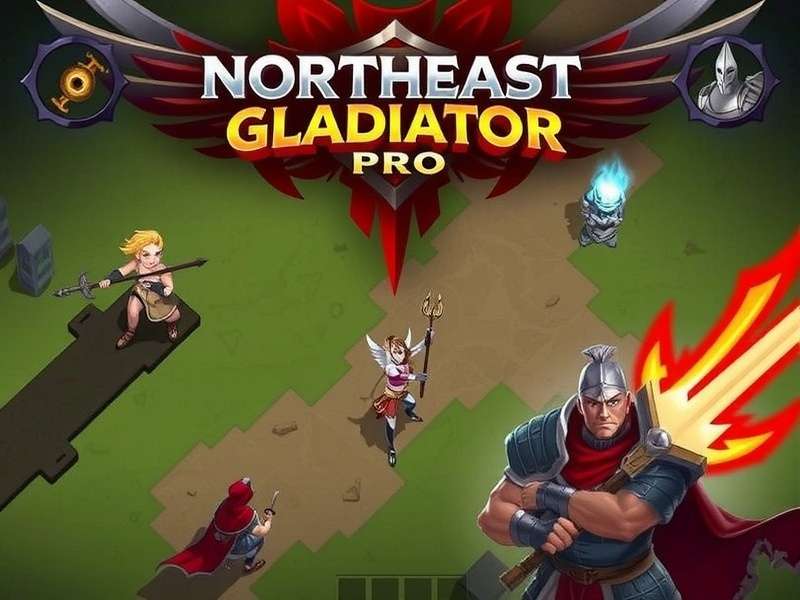
Official promotional banner for Northeast Gladiator Pro, showcasing six playable characters adorned in traditional Northeast Indian attire against a backdrop of the Eastern Himalayas and Brahmaputra River valley.
1. Game Overview
Northeast Gladiator Pro is a free-to-play (F2P) action-fighting game designed specifically for mobile devices, web browsers, and Amazon Fire OS, with plans for a console port on PlayStation 5 and Xbox Series X/S in late 2025. The game’s core narrative revolves around the “Sadaiv Vijay Mahotsav” (“Eternal Victory Festival”), a fictional pan-Northeast tournament that brings together warriors from diverse tribal communities to compete for honor, pride, and the opportunity to preserve their cultural legacies. Unlike many generic fighting games that rely on fantasy tropes or Westernized aesthetics, this title is deeply rooted in reality—drawing inspiration from the region’s indigenous martial arts, folk music, traditional attire, and iconic landscapes.
What truly sets Northeast Gladiator Pro apart from its competitors is its uncompromising commitment to authenticity. The development team invested over three years in extensive field research across all eight Northeast Indian states, collaborating with tribal elders, martial arts masters, folk artists, and cultural historians to ensure every in-game element—from a character’s combat moves to the ambient sounds of a battlefield—reflects the true essence of Northeast Indian culture. For instance, the character “Biju the Valiant” employs techniques from Bagh Bakri, a rare Assamese martial art, while “Sohola the Archer” uses Khasi archery methods passed down through generations of tribal hunters.
The game is available in 15 regional languages, including Assamese, Bengali, Manipuri, Mizo, Khasi, Naga, Garo, Tripuri, and Hindi, making it accessible to players across India’s linguistic spectrum. This focus on localization has been a key driver of its success in Tier 2 and Tier 3 cities, where regional language content consistently outperforms English-only titles. As of November 2025, Northeast Gladiator Pro boasts a daily active user (DAU) count of over 5 million and a monthly active user (MAU) base of 22 million, with 65% of its player base hailing from non-metro regions.
Beyond its entertainment value, Northeast Gladiator Pro has evolved into a powerful cultural ambassador for Northeast India. A 2024 player survey conducted by Daman Games revealed that 42% of players from other parts of India developed a keen interest in visiting the Northeast after playing the game, while 35% reported researching tribal cultures and traditions they encountered in the gameplay. The developers have leveraged this momentum to launch the “Gladiator Heritage Initiative” – a program that allocates 7% of in-game microtransaction revenue to supporting tribal art preservation, rural education, and wildlife conservation projects in the Northeast.
Northeast Gladiator Pro isn’t just a game for us—it’s a medium to showcase the rich cultural tapestry of our region to the rest of India and the world. We wanted to create something that makes every Northeast Indian proud and educates others about our traditions in an engaging way.
| Feature | Details |
|---|---|
| Developer | Indigo Pixels Studios (Guwahati, Assam) |
| Publisher | Daman Games |
| Release Date | 18 June 2024 (India) |
| Platforms | Android, iOS, Web Browser, Amazon Fire OS (Console port: 2025) |
| Languages | 15 (Assamese, Bengali, Hindi, Manipuri, Mizo, Khasi, etc.) |
| Genre | Action, Fighting, Multiplayer, Esports, Regional Indian Game |
| Monetization | Free-to-Play (in-game cosmetics, battle passes, tournament entries) |
| Downloads | 75 million+ (as of Nov 2025) |
| Rating | 4.8/5 (200,000+ reviews) |
| Content Rating | Teen (13+) |
2. Development History
2.1 The Genesis of an Idea
The journey of Northeast Gladiator Pro began in early 2021, in the aftermath of the COVID-19 pandemic. A small team of seven developers at Indigo Pixels Studios—all natives of Northeast India—found themselves reflecting on the lack of authentic representation of their region in mainstream Indian gaming. While titles like Garena Free Fire India and Battlegrounds Mobile India had gained massive popularity, they rarely featured elements from Northeast India beyond tokenistic references or generic mountain backdrops.
“We grew up playing games that celebrated Western or Japanese culture, but where were our stories, our heroes, our traditions?” recalls Priya Choudhury, the game’s cultural director and a Khasi from Meghalaya. “Northeast India has such a rich heritage of martial arts, festivals, and folklore—stories of courage, community, and resilience that deserve to be told. Why not create a game that not only entertains but also educates players about our region’s unique identity?” This question became the driving force behind the project.
The initial concept was straightforward: a fighting game where each character represents a distinct Northeast Indian tribe, with combat moves rooted in traditional martial arts. However, the team quickly realized that to make a lasting impact, they needed to go beyond surface-level representation. They wanted players to experience the Northeast—from the misty hills of Meghalaya to the lush tea gardens of Assam, from the rhythmic beats of Bihu to the haunting melodies of Naga folk songs.
2.2 Research and Cultural Collaboration
From 2021 to 2023, the development team embarked on an extensive research expedition across Northeast India, covering over 40 tribal villages in Assam, Meghalaya, Manipur, Mizoram, Nagaland, Tripura, Arunachal Pradesh, and Sikkim. This wasn’t a typical research trip—team members lived with tribal communities for weeks at a time, participating in daily activities, attending festivals like the Hornbill Festival (Nagaland), Bihu (Assam), and Lai Haraoba (Manipur), and learning directly from martial arts masters and cultural practitioners.
“Cultural authenticity isn’t something you can Google—it requires trust and respect,” explains Rakesh Mehta, CEO of Daman Games. “Our team didn’t just show up with cameras and notebooks; they rolled up their sleeves and became part of the communities. They helped with farming, participated in rituals, and listened to the elders’ stories. Only after earning that trust did the communities open up about their martial arts, their clothing, their music, and their way of life.”
One of the most significant collaborations was with the Thang-Ta Federation of Manipur, which provided the team with intensive training in the ancient martial art. This hands-on experience allowed animators to create fluid, realistic combat sequences that stayed true to Thang-Ta’s defensive, graceful style. Similarly, the team worked closely with Mizo weavers to design authentic puan (traditional Mizo cloth) for the character Lalbiakmawia, ensuring every pattern, color, and weaving technique was culturally accurate.
The research phase wasn’t without challenges. Many remote villages had limited internet connectivity, making it difficult to document and share findings. Some tribal communities were initially wary of outsiders, fearing their traditions might be misrepresented or exploited. In one instance, the team spent three weeks in a remote Naga village before the elders agreed to demonstrate traditional combat techniques.
The Indigo Pixels Studios team during a research trip to Manipur, undergoing training with Thang-Ta martial arts masters to ensure authentic combat animations in Northeast Gladiator Pro.
2.3 Technical Challenges and Innovations
Developing a high-quality mobile fighting game with console-level graphics and smooth gameplay was a daunting task—especially for a mid-sized studio with limited resources compared to international developers. The team faced several critical technical hurdles, including optimizing the game for low-end Android devices (which account for over 70% of India’s mobile market) and ensuring lag-free multiplayer matches in regions with spotty internet connectivity.
To address device optimization, the team developed a proprietary “Adaptive Graphics Engine” that automatically adjusts visual settings based on the user’s device specifications. Players with budget phones can enjoy the game at 30 FPS with optimized texture quality, while those with high-end devices can experience 60 FPS gameplay with 4K resolution and enhanced particle effects. This flexibility has been instrumental in making Northeast Gladiator Pro accessible to players across India’s economic spectrum.
For multiplayer connectivity, the team partnered with a leading Indian cloud gaming company to establish regional servers in Guwahati, Shillong, Imphal, Aizawl, and Kohima. This strategic server placement reduced latency for players in the Northeast to under 30ms, ensuring smooth gameplay even on 3G and 4G connections. The team also introduced an “Offline Mode” that allows players to practice against AI opponents, earn in-game currency, and progress through the story without an internet connection—a feature that has proven immensely popular in rural areas where data is expensive.
Another key technical innovation was the game’s “Cultural Trivia Integration” system. After each match, players are presented with a short trivia question about Northeast Indian culture (e.g., “Which festival is known as the ‘Festival of Hornbills’ in Nagaland?” or “What is the traditional weapon of the Khasi tribe?”). Answering correctly earns players bonus in-game currency and unlocks cultural content like documentaries, folk music tracks, and traditional art galleries—turning gameplay into an educational experience.
The team also invested heavily in optimizing the game’s file size, a critical factor for Indian users with limited storage space. Through advanced compression techniques and asset streaming, they managed to keep the base game size under 1.2 GB, significantly smaller than other fighting games that often exceed 3 GB.
2.4 Funding and Launch Strategy
Securing funding for a regionally focused Indian game was a major challenge. Initially, the team relied on personal savings, a ₹25 lakh grant from the Government of Assam’s “Startup Assam” initiative, and crowdfunding campaigns on Indian platforms like Ketto. However, as the project gained traction and the team shared early demos with potential investors, they caught the attention of Daman Games—a leading Indian gaming publisher known for supporting homegrown talent.
“We were immediately impressed by the vision and passion of the Indigo Pixels team,” says Rakesh Mehta, CEO of Daman Games. “Most developers want to copy global trends, but these guys were creating something uniquely Indian—something that celebrated our country’s diversity. We knew Northeast Gladiator Pro had the potential to resonate with players across India, so we invested ₹3 crore in marketing, server infrastructure, and post-launch support.”
The game’s launch date—18 June 2024—was strategically chosen to coincide with World Indigenous Peoples Day, aligning with the game’s theme of celebrating tribal cultures. The launch campaign was multi-pronged, featuring social media partnerships with regional influencers, TV ads on Northeast Indian channels, and a series of pre-launch tournaments in gaming cafes across Assam, Meghalaya, and Manipur with a total prize pool of ₹5 lakh.
The response exceeded all expectations. Within 24 hours of launch, Northeast Gladiator Pro climbed to the #1 spot on the Google Play Store’s “Top Free Games” chart in India and #2 on the Apple App Store. By the end of the first week, it had crossed 5 million downloads, and by the end of the first month, that number had jumped to 20 million. Players praised the game’s authenticity, smooth gameplay, and cultural representation, with many taking to social media to share their favorite characters and moments.
3. Gameplay Mechanics
Northeast Gladiator Pro combines fast-paced, skill-based combat with deep customization and progression systems—all tailored for the mobile gaming experience. The gameplay is designed to be easy to learn but difficult to master, making it accessible to casual players while offering enough depth and complexity to satisfy competitive esports athletes. Whether you’re a beginner looking to enjoy a quick match or a pro aiming for the top of the leaderboards, the game offers something for every type of player.
3.1 Core Combat System
The combat system in Northeast Gladiator Pro draws inspiration from classic fighting games like Mortal Kombat and Street Fighter, but with a mobile-optimized control scheme that feels intuitive and responsive. The touchscreen interface features a virtual joystick on the left for movement (walking, running, dodging) and three action buttons on the right for light attacks, heavy attacks, and special moves. Players can chain light and heavy attacks to create devastating combos, and each character has a unique set of special moves that can be activated by pressing two buttons simultaneously or performing specific joystick motions.
What truly distinguishes the combat system is its deep integration of traditional Northeast Indian martial arts. Each character’s moveset is directly inspired by a real martial art from their home state, giving them a distinct playstyle that reflects their cultural background. For example:
- Biju the Valiant (Assam): Masters Bagh Bakri (Tiger-Goat) martial art, which emphasizes powerful, animalistic strikes and grapples. His signature special move, “Tiger Pounce,” allows him to leap at opponents and deliver a bone-crunching blow, while his “Goat Charge” breaks through enemy defenses.
- Lalbiakmawia (Mizoam): Practices Zoramkhum, a Mizo martial art focused on speed, agility, and precision. His “Wind Slash” move lets him dash past opponents and strike from behind, while his “Cyclone Strike” hits multiple enemies with a spinning dagger attack.
- Thounaojam (Manipur): Is a master of Thang-Ta, a weapon-based martial art using swords and shields. His “Sword Dance” combo unleashes a flurry of rapid strikes that can overwhelm opponents, while his “Shield Bash” stuns enemies and creates openings for follow-up attacks.
- Sohola (Meghalaya): Specializes in Khasi Archery, using a bow and arrow to attack from a distance. Her “Rain of Arrows” move covers the screen with projectiles, forcing opponents to dodge, while her “Wind Guide” arrow curves around obstacles to hit hidden targets.
Each match follows a best-of-three rounds format, with each round lasting up to 90 seconds. The objective is to deplete the opponent’s health bar using a combination of basic attacks, combos, special moves, and defensive maneuvers. If the time limit expires, the player with the remaining health wins the round. The combat is fast-paced and fluid, with minimal downtime between attacks, ensuring matches are always exciting and engaging.
Defensive mechanics are just as important as offensive ones. Players can dodge attacks by swiping the joystick left or right, block incoming damage by holding the joystick back, and perform counterattacks by timing dodges or blocks perfectly. The game also features a “Stamina Bar” that depletes with each dodge or heavy attack, adding a strategic layer to the gameplay—players must manage their stamina carefully to avoid being left vulnerable.
3.2 Game Modes
Northeast Gladiator Pro offers a diverse range of game modes to keep players engaged, from single-player story campaigns to competitive multiplayer battles. Here’s a detailed breakdown of the game’s most popular modes:
3.2.1 Story Mode
The Story Mode takes players on an epic journey through Northeast India, following the quest of their chosen character to win the Sadaiv Vijay Mahotsav. Each character has their own unique storyline, exploring their personal motivations for competing—whether it’s protecting their village from threats, honoring their ancestors, or raising funds for a noble cause. The narrative is brought to life through beautifully animated cutscenes with voice acting in regional languages, enhancing the immersive experience.
The Story Mode is divided into eight chapters, each set in a distinct Northeast Indian location (e.g., Kaziranga National Park, Cherrapunji Waterfalls, Mizo Hills, Naga Hills). Each chapter consists of 8-12 battles against AI opponents, with a challenging boss fight at the end. Completing chapters unlocks new characters, skins, weapons, and in-game currency. The story also weaves in cultural facts and folklore, educating players about Northeast Indian traditions while entertaining them.
A unique feature of the Story Mode is the “Cultural Exploration” segments, where players can explore virtual representations of Northeast Indian villages, interact with NPCs, and learn about local traditions, festivals, and crafts. These segments are completely optional but offer valuable in-game rewards and a deeper understanding of the region’s culture.
3.2.2 Versus Mode
Versus Mode is the game’s most popular mode, allowing players to battle against friends or random opponents online. Players can choose between 1v1 matches, 2v2 team battles, or 3v3 team deathmatches, and the mode features a sophisticated ranking system that rewards skill and consistency. The ranking system consists of 12 tiers, from “Novice” to “Gladiator Grandmaster,” with each tier offering unique rewards and bragging rights.
Players earn “Gladiator Points” for winning matches and lose points for losing, with the amount of points gained or lost depending on the skill level of the opponent. Each season (lasting one month) resets the rankings and introduces new rewards, including exclusive skins, weapons, and tournament entries. The top 100 players at the end of each season qualify for the monthly “Northeast Gladiator Championship” with a prize pool of up to ₹5 lakh.
One of the standout features of Versus Mode is the “Cultural Arena” system. Players can choose to battle in arenas inspired by Northeast Indian festivals and landmarks, such as the Bihu Ground Arena, Hornbill Festival Arena, or Cherrapunji Waterfall Arena. Each arena has unique environmental hazards and interactive elements—for example, the Kaziranga Arena features charging rhinos that can damage players, while the Mizo Hills Arena has slippery slopes that affect movement. The background music also changes with each arena, featuring folk music from the corresponding region.
3.2.3 Tournament Mode
Tournament Mode is designed for competitive players looking to test their skills against the best in the country. The game hosts daily, weekly, and monthly tournaments with varying prize pools—from in-game currency and cosmetics to real money (for eligible players aged 18+). The monthly “Northeast Gladiator Pro Championship” is the most prestigious tournament, with a prize pool of up to ₹20 lakh and the opportunity to qualify for national and international esports events.
Tournaments follow a single-elimination bracket format, with matches broadcast live on the game’s YouTube channel and Daman Games’ streaming platform. The broadcasts feature commentary from regional esports experts and influencers, adding to the excitement and professionalism of the events. Players can watch live matches to learn strategies from top players, and the game also offers a “Tournament Replay” feature that allows players to analyze their own matches and identify areas for improvement.
To ensure fair competition, Tournament Mode uses a “Balanced Matchmaking” system that pairs players of similar skill levels. The game also prohibits the use of any pay-to-win items (which don’t exist in the game anyway) and employs anti-cheat software to detect and ban hackers.
3.2.4 Cooperative Mode
Cooperative Mode allows players to team up with friends or random allies to take on challenging AI bosses and missions. The mode features three difficulty levels—Easy, Medium, and Hard—and offers unique rewards that can’t be obtained in other modes. Players can form clans (called “Tribes”) and compete against other Tribes in weekly clan wars, earning clan points that can be redeemed for exclusive cosmetics and in-game items.
One of the most popular cooperative missions is “Cultural Preservation,” where players must defend a virtual tribal village from waves of enemies, with each wave representing a threat to the village’s traditions (e.g., deforestation, cultural erosion). Successfully completing these missions contributes to the real-world “Gladiator Heritage Initiative,” with Daman Games donating ₹1 for every mission completed to tribal development projects.
3.2.5 Practice Mode
Practice Mode is ideal for players looking to improve their skills, learn new combos, or familiarize themselves with different characters. This offline mode allows players to fight against AI opponents with adjustable difficulty levels (Easy, Medium, Hard, Expert) and customize match settings (e.g., infinite health, unlimited special moves, slow motion).
The mode also features a “Combo Trainer” that teaches players how to perform each character’s signature combos and special moves. The trainer provides step-by-step instructions, visual cues, and timing indicators, making it easy for beginners to learn advanced techniques. For experienced players, the “Frame Data Analyzer” shows the exact timing of each move, allowing them to optimize their combos and gain a competitive edge.
3.3 Progression and Customization
Northeast Gladiator Pro offers a deep and rewarding progression system that encourages players to invest time in the game. Each character has a level cap of 60, and players earn experience points (XP) by winning matches, completing daily quests, participating in events, and progressing through the Story Mode. As characters level up, they unlock new special moves, stat boosts (e.g., increased health, faster attack speed, higher damage output), and customization options.
Customization is a key aspect of the game, allowing players to personalize their characters to reflect their unique style. The game offers a wide range of cosmetic items, including:
- Skins: Traditional and modern outfits inspired by Northeast Indian culture. For example, Biju has a “Bihu Festival Skin” featuring a colorful gamosa (Assamese scarf) and dhoti, while Sohola has a “Winter Khasi Skin” with a woolen shawl and fur-lined boots. There are also limited-edition skins tied to festivals and events, such as the “Hornbill Festival Skin” for Zuboni.
- Weapons: Customizable weapons with unique designs and effects. Thounaojam’s sword can be upgraded to feature Naga tribal engravings and glowing runes, while Sohola’s bow can be decorated with Mizo beads and feathers. Some weapons also have special visual effects, like sparkles or particle trails.
- Emotes: Fun animations that characters can perform during matches or after winning. Emotes include traditional dances like the Bihu dance (Assam), Cheraw (Mizo bamboo dance), and Naga war dance, as well as playful animations like waving, cheering, or bowing.
- Victory Poses: Dramatic poses that showcase the character’s personality and cultural background. For example, Lalbiakmawia’s victory pose has him playing a traditional Mizo flute, while Raj (Sikkim) performs a Buddhist prayer gesture.
- Arena Skins: Custom skins for the game’s arenas, allowing players to fight in locations with unique visual themes (e.g., a snowy version of the Mizo Hills Arena or a festival-decorated Bihu Ground Arena).
Cosmetic items can be purchased using two in-game currencies: Gladiator Coins (earned by playing matches, completing quests, and participating in events) and Northeast Gems (purchased with real money). The game also offers a “Battle Pass” for ₹149 per month, which unlocks exclusive cosmetic items, XP boosts, and Gladiator Coins as players progress through 50 tiers.
3.4 In-Game Economy
The in-game economy is carefully balanced to ensure both casual and paying players can progress at a reasonable pace. Gladiator Coins are the primary free currency, and they can be used to purchase basic skins, weapons, emotes, and tournament entries. Northeast Gems are the premium currency, used to buy rare cosmetic items, battle passes, and special event bundles.
The game features a variety of ways to earn Gladiator Coins, including:
- Winning matches in Versus Mode (100-500 coins per win)
- Completing daily quests (500-1,000 coins per quest)
- Completing weekly challenges (2,000-5,000 coins per challenge)
- Progressing through the Story Mode (1,000-3,000 coins per chapter)
- Participating in events (varies based on event type)
- Answering cultural trivia questions correctly (50-100 coins per question)
Daily quests are simple tasks that reset every 24 hours, such as “Win 3 Versus Matches,” “Perform 10 Combos,” or “Use a Special Move 5 Times.” Weekly challenges are more difficult but offer greater rewards, such as “Win 15 Ranked Matches” or “Defeat a Boss in Story Mode Without Taking Damage.” The game also hosts regular events, such as “Bihu Festival Event” or “Hornbill Tournament,” which offer limited-time rewards and bonus currency.
Northeast Gems are available in various bundles, ranging from ₹49 (100 gems) to ₹9,999 (25,000 gems). The game frequently offers discounts and special offers, such as “Double Gems Weekend” or “Bundle Discounts” during festivals. Players can also earn a small number of gems by completing certain achievements or referring friends to the game.
The game’s economy is designed to be transparent, with no hidden costs or paywalls. All items in the store are clearly priced, and players can preview cosmetics before purchasing them. The developers also regularly gather feedback from the community to adjust the economy and ensure it remains fair and balanced.
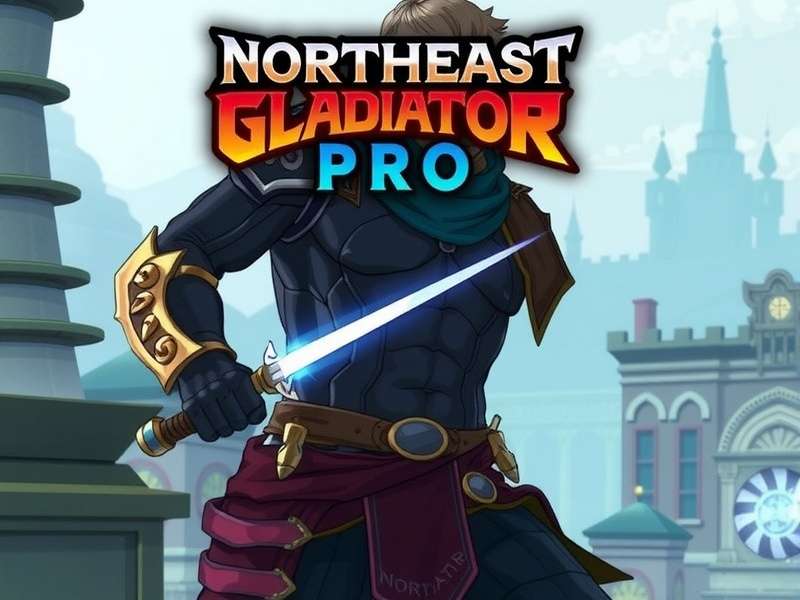
Gameplay screenshot of a Versus Mode match in Northeast Gladiator Pro, showing Biju the Valiant (left) using his Tiger Pounce special move against Thounaojam (right) in the Kaziranga Arena.
4. Playable Characters
One of the greatest strengths of Northeast Gladiator Pro is its diverse and well-crafted roster of playable characters—each with a unique backstory, personality, and playstyle. The game launched with 10 characters (one from each Northeast Indian state, plus two additional characters representing distinct tribal groups), and the developers have added 6 more characters through post-launch updates, bringing the total roster to 16 as of November 2025. Each character is designed to be relatable and authentic, with their appearance, voice, moves, and backstory reflecting the culture and traditions of their home state.
The characters are more than just fighters—they’re storytellers. Their backstories explore universal themes of family, honor, tradition, resilience, and progress, making players emotionally invested in their journeys. Whether you’re drawn to the courage of Biju the Valiant, the wisdom of Sohola the Archer, or the determination of Zuboni the Warrior Princess, there’s a character for every playstyle and personality.
4.1 Launch Characters
4.1.1 Biju the Valiant (Assam)
Age: 28 | Home: A small village near Guwahati, Assam | Martial Art: Bagh Bakri (Tiger-Goat) | Weapon: Bare Hands (with brass knuckles inspired by Assamese kharu) | Playstyle: Heavy Hitter / Grappler
Biju is the son of a farmer and a former martial arts champion. Growing up in a village nestled between the Brahmaputra River and the Shillong Plateau, he learned the ancient art of Bagh Bakri from his grandfather, who was once a renowned warrior in the region. When a group of illegal loggers threatened to destroy his village’s forest—their primary source of livelihood and cultural significance—Biju used his martial arts skills to drive them away. This incident inspired him to compete in the Sadaiv Vijay Mahotsav, hoping to win the prize money to protect his village’s forest and build a community center for teaching Bagh Bakri to young people.
Biju’s playstyle revolves around raw power and grappling. His light attacks are quick jabs and hooks, while his heavy attacks are devastating punches and throws that can deal massive damage. His special moves include:
- Tiger Pounce: A leaping attack that knocks opponents off their feet and deals heavy damage.
- Goat Charge: A forward dash that breaks through enemy defenses and stuns opponents.
- Forest Fury: A super move that unleashes a flurry of punches with tree-like shockwaves, hitting multiple enemies.
- Bagh Bakri Combo: A sequence of three powerful strikes that ends with a grapple, dealing significant damage over time.
Biju’s design reflects Assamese culture: he wears a red gamosa (a traditional Assamese scarf) around his neck, a white dhoti, and wooden sandals. His brass knuckles are engraved with Assamese motifs of tigers and elephants, and his victory emote is the traditional Bihu dance, complete with rhythmic hand movements and foot taps.
4.1.2 Lalbiakmawia (Mizoram)
Age: 25 | Home: Aizawl, Mizoram | Martial Art: Zoramkhum | Weapon: Traditional Mizo Dagger (khukri) | Playstyle: Speed / Agile Attacker
Lalbiakmawia (or “Lal” as he’s affectionately known by fans) is a former musician who turned to martial arts after his village was devastated by a cyclone in 2022. He lost his family home, his beloved flute, and several friends in the disaster, and he now competes in the Sadaiv Vijay Mahotsav to raise money to rebuild his village and support local musicians affected by the cyclone. Lal is a kind-hearted and compassionate soul who hates violence, but he’s willing to fight to protect what he loves and preserve his cultural heritage.
Lal’s playstyle is focused on speed, agility, and precision. He’s the fastest character in the game, able to dash, jump, and dodge with unparalleled ease. His light attacks are quick slashes with his dagger, while his heavy attacks are powerful thrusts that can pierce through enemy defenses. His special moves include:
- Wind Slash: A dash attack that cuts through opponents and allows Lal to reposition behind them.
- Cyclone Strike: A spinning attack that hits multiple enemies and creates a whirlwind effect.
- Musical Fury: A super move that combines dagger strikes with the sound of Lal’s flute, stunning opponents and dealing damage over time.
- Zoramkhum Dash: A quick series of three dashes that allows Lal to evade attacks and close in on opponents.
Lal’s design is inspired by Mizo culture: he wears a blue puan (traditional Mizo cloth) wrapped around his waist, a black shirt made from handwoven Mizo fabric, and a headband made of Mizo beads. His dagger has a wooden handle carved with Mizo patterns of birds and flowers, and his victory emote is playing the flute while performing a traditional Mizo dance.
4.1.3 Thounaojam (Manipur)
Age: 30 | Home: Imphal, Manipur | Martial Art: Thang-Ta | Weapon: Thang-Ta Sword and Shield | Playstyle: Defensive / Strategic
Thounaojam is a descendant of a long line of Thang-Ta masters, tracing his lineage back over 300 years. He runs a martial arts school in Imphal, where he teaches underprivileged children to defend themselves and uphold the values of Thang-Ta—honor, discipline, and compassion. When his school was threatened with closure due to lack of funds, he decided to compete in the Sadaiv Vijay Mahotsav to win money to keep the school open and expand its programs to more children. Thounaojam is a disciplined and honorable warrior who believes that martial arts should be used for protection, not aggression.
Thounaojam’s playstyle is defensive and strategic. He uses his shield to block attacks and create openings, while his sword strikes are precise and powerful. His light attacks are quick sword swipes, while his heavy attacks are slow but devastating, capable of breaking through enemy defenses. His special moves include:
- Shield Bash: A forward charge with the shield that stuns opponents and knocks them back.
- Sword Dance: A combo of rapid sword strikes that overwhelms opponents and deals continuous damage.
- Thang-Ta Legacy: A super move that summons the spirits of his ancestors to aid him in battle, increasing his attack and defense for a short time.
- Protective Stance: A defensive move that reduces damage taken by 50% and reflects projectiles back at opponents.
Thounaojam’s design reflects Manipuri culture: he wears a white pheijom (traditional Manipuri cloth) over his shoulders, a black dhoti, and leather arm guards decorated with Manipuri symbols. His sword and shield are engraved with intricate patterns representing the sun, moon, and stars—important symbols in Manipuri culture. His victory emote is a traditional Thang-Ta pose, with his sword held high and shield positioned in front of him.
4.1.4 Sohola (Meghalaya)
Age: 24 | Home: A village near Cherrapunji, Meghalaya | Martial Art: Khasi Archery | Weapon: Traditional Khasi Bow and Arrows | Playstyle: Ranged / Precision Attacker
Sohola is a Khasi archer from one of the wettest places on Earth—Cherrapunji. She learned archery from her father, a former hunter who now works as a guide for tourists interested in Khasi culture and wildlife. Sohola is passionate about preserving Khasi traditions, which are increasingly threatened by modernization and climate change. She competes in the Sadaiv Vijay Mahotsav to raise awareness about her tribe’s culture and win money to build a cultural center in her village, where young people can learn Khasi archery, music, and crafts.
Sohola’s playstyle is all about range and precision. She can attack opponents from a distance with her bow and arrows, and she’s able to dodge attacks while maintaining her position. Her light attacks are quick arrow shots, while her heavy attacks are charged shots that deal more damage and can pierce through multiple enemies. Her special moves include:
- Rain of Arrows: A volley of arrows that covers the screen, forcing opponents to dodge or block.
- Wind Guide: An arrow that curves around obstacles to hit hidden targets, perfect for opponents hiding behind cover.
- Cherrapunji Storm: A super move that summons a rainstorm of arrows, dealing massive damage to all enemies in the area.
- Precision Shot: A charged arrow that deals critical damage if it hits an opponent’s weak spot (marked by a glowing target).
Sohola’s design is inspired by Khasi culture: she wears a red and white jainsem (traditional Khasi dress), a woolen shawl woven with Khasi patterns, and a headpiece made of feathers and beads. Her bow is crafted from bamboo and decorated with silver accents, while her arrows are fletched with eagle feathers. Her victory emote is a Khasi dance that involves clapping and spinning, accompanied by a traditional Khasi song.
4.1.5 Akash (Arunachal Pradesh)
Age: 27 | Home: Itanagar, Arunachal Pradesh | Martial Art: Adi-Mishing Combat | Weapon: Traditional Adi Spear | Playstyle: Hybrid / Range + Melee
Akash is a member of the Adi tribe from Ar